Contenitore Dewar o serbatoio pressurizzato per azoto: quale scegliere?
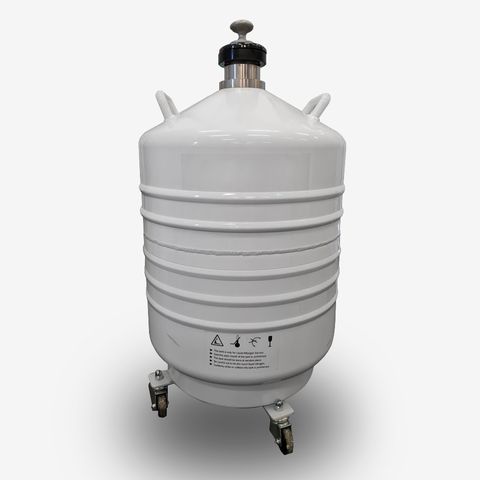
Le criocamere sono sempre alimentate da serbatoi pressurizzati. Con le criosaune CryoMe, invece, puoi scegliere tra due opzioni: contenitori Dewar non pressurizzati, più compatti, oppure serbatoi pressurizzati di maggiore capacità.
In linea generale, se prevedi di effettuare più di dieci sedute di crioterapia al giorno, i serbatoi pressurizzati rappresentano la soluzione più adatta. Tuttavia, la scelta dipende anche da altri fattori, come lo spazio disponibile, il piano in cui si trova la struttura, le normative locali sull'utilizzo dei serbatoi per azoto nel tuo paese, ecc.
Il nostro team commerciale è sempre a tua disposizione per aiutarti a scegliere la soluzione più adatta alle tue esigenze.
Cos'è un Dewar?
Un Dewar è un contenitore criogenico non pressurizzato, con doppia parete e intercapedine sottovuoto, progettato per conservare liquidi criogenici mantenendoli a una temperatura pressoché costante per un lungo periodo. Per struttura è simile a un grande thermos con un tappo a chiusura non ermetica. Il tasso di evaporazione giornaliero è generalmente molto basso. I contenitori Dewar rappresentano la soluzione ideale per i centri di crioterapia con un flusso di clienti basso o moderato. Le criosaune CryoMe sono fornite di serie con due contenitori Dewar non pressurizzati da 35 litri oppure, su richiesta, con due contenitori da 50 litri.
Cos'è un serbatoio criogenico?
Un serbatoio criogenico per azoto liquido è un contenitore pressurizzato con intercapedine sottovuoto. È dotato di valvole per il riempimento e il prelievo dell'azoto liquido, di una valvola di sicurezza per il rilascio della pressione e di un indicatore di pressione. Inoltre, dispone di un indicatore di livello a galleggiante per monitorare il consumo di azoto. Rispetto ai contenitori non pressurizzati, presenta un tasso di evaporazione più elevato.
Confronto tra contenitori Dewar e serbatoi criogenici pressurizzati
Sebbene svolgano la stessa funzione, i contenitori Dewar non pressurizzati e i serbatoi pressurizzati per azoto liquido si differenziano per:
Dimensioni. I contenitori Dewar non pressurizzati sono più compatti e facili da movimentare. Nelle criosaune CryoMe Pro e CryoMe Basic, il contenitore Dewar viene collocato all'interno della criosauna. Nei modelli più compatti, come CryoMe One e CryoMe Mini, viene invece posizionato accanto alla macchina criogenica. Quando non viene utilizzato, può essere riposto in un locale tecnico. Un serbatoio pressurizzato per azoto liquido, invece, rimane sempre all'esterno della criosauna. Negli spazi più ridotti può essere installato in un altro locale o persino all'esterno dell'edificio. La criosauna e il serbatoio sono collegati da un tubo criogenico standard lungo due metri; su richiesta sono disponibili anche lunghezze diverse.
Peso. Un contenitore Dewar da 35 litri pesa 17 kg a vuoto ed è dotato di una base con ruote che ne facilita la movimentazione. In alcuni paesi può essere trasportato in auto e ricaricato presso il proprio fornitore. Nella maggior parte dei casi, tuttavia, il riempimento viene effettuato direttamente presso la tua sede da un mezzo specializzato. I serbatoi pressurizzati sono più pesanti e di dimensioni maggiori. Vengono sempre ricaricati o sostituiti con un serbatoio pieno direttamente presso la tua sede. Ti consigliamo di verificare preventivamente con il tuo fornitore eventuali limitazioni legate alla tua ubicazione. Se la tua attività si trova al terzo piano di un edificio senza un ascensore adatto al trasporto di carichi pesanti, i contenitori Dewar potrebbero rappresentare la soluzione più adatta.
Tasso di evaporazione. I serbatoi pressurizzati presentano un tasso di evaporazione più elevato rispetto ai contenitori Dewar non pressurizzati. Inoltre, una parte dell'azoto viene dispersa lungo il tubo e nei punti di collegamento tra la valvola e il tubo e tra il serbatoio e il tubo. Tuttavia, in presenza di un elevato flusso di clienti, questa perdita è trascurabile. A titolo indicativo, i serbatoi pressurizzati evaporano dal 2% al 5% della loro capacità, a seconda del produttore. I contenitori Dewar non pressurizzati utilizzati da CryoMe evaporano invece da 100 a 200 g di azoto al giorno, in base alla loro capacità. * Di norma, i produttori stimano il tasso di evaporazione in modo prudenziale. Il metodo più affidabile per valutare il tempo di mantenimento dell'azoto liquido consiste nel monitorare l'effettiva perdita di peso giornaliera. I serbatoi criogenici usati presentano un tasso di evaporazione più elevato.
Prezzo. I serbatoi pressurizzati per azoto liquido hanno un costo elevato. A seconda della capacità e del produttore, il loro prezzo può facilmente raggiungere diverse migliaia di euro. Per questo motivo, molte attività che offrono servizi di crioterapia preferiscono noleggiare i serbatoi dai fornitori locali di azoto. Un contenitore Dewar costa generalmente tra 1.050 € e 1.500 €. In base al flusso di clienti e alle condizioni di fornitura dell'azoto, potrebbe essere necessario acquistare ulteriori contenitori Dewar oltre ai due già forniti di serie con la criosauna.
Numero di sedute. Poiché il consumo di azoto liquido influisce sul numero di sedute che è possibile effettuare con un contenitore criogenico e, di conseguenza, sul costo di ogni seduta, è importante tenere presenti alcuni fattori. Il consumo di azoto liquido nei contenitori criogenici dipende da:
- Durata della seduta (da 1,5 a 3 minuti).
- Temperatura della seduta (ad esempio, per chi si sottopone alla crioterapia per la prima volta l'operatore può impostare una temperatura di -110 °C, mentre per un utente abituale può arrivare a -150 °C).
* È possibile ridurre il consumo di azoto programmando le sedute una dopo l'altra, con intervalli non superiori a 10 minuti, oppure utilizzando la copertura della cabina, il collare regolabile e i guanti. - Tasso di evaporazione dell'azoto liquido nei serbatoi. Più alta è la temperatura dell'ambiente, più azoto si perde ogni giorno.
Per questo motivo, il numero di sedute che è possibile effettuare con un singolo contenitore criogenico è da considerarsi indicativo. I contenitori Dewar standard non pressurizzati hanno una capacità di 35 litri, sufficiente per un raffreddamento iniziale e fino a 8 sedute di trattamento. Rappresentano la soluzione ideale se prevedi fino a dieci clienti al giorno oppure se acquisti una criosauna per uso domestico.
I serbatoi pressurizzati sono disponibili con capacità da 100 a 5.000 litri, ma il modello più diffuso è quello da 240 litri. Un serbatoio da 240 litri consente di effettuare circa 60 sedute. Idealmente, il contenuto del serbatoio dovrebbe essere utilizzato entro 4-5 giorni. Se prevedi un utilizzo meno intensivo, è consigliabile scegliere un serbatoio di capacità inferiore. Un serbatoio criogenico per azoto liquido rappresenta una soluzione pratica ed economica, che non richiede rifornimenti frequenti. È particolarmente indicato per attività con un elevato flusso di clienti, come palestre, spa e cliniche.
Come scegliere tra un contenitore Dewar e un serbatoio per azoto?
Per individuare la soluzione più adatta alla tua attività, considera i seguenti fattori:
- Numero di sedute previste ogni giorno è il fattore più importante da considerare. Più elevato è il flusso di clienti, maggiore sarà il consumo di azoto. In questo caso, i serbatoi pressurizzati rappresentano la soluzione più conveniente. I contenitori Dewar sono invece indicati per attività con un flusso fino a 10 clienti al giorno.
- Accessibilità del locale in cui verrà installata la criosauna è il secondo fattore più importante da considerare. In presenza di scale o se la struttura si trova a un piano alto senza ascensore, i contenitori Dewar rappresentano una soluzione più pratica. Uno o due gradini possono essere superati utilizzando una rampa su cui far scorrere il serbatoio, ma con scale più lunghe la consegna di un serbatoio pressurizzato può risultare impossibile.
- Costi di noleggio e consegna dei serbatoi criogenici per azoto liquido. È un altro fattore da considerare. I prezzi possono variare notevolmente in base alla zona, perciò è importante valutarli in anticipo. Prima di acquistare una criosauna, ti consigliamo di individuare un fornitore locale di azoto liquido e di verificarne le condizioni di fornitura. Le possibili situazioni sono le seguenti:
- Il fornitore potrebbe rifiutarsi di fornire piccole quantità di azoto o di riempire i contenitori Dewar non pressurizzati. In questo caso, anche con un flusso di clienti limitato, dovrai noleggiare un serbatoio criogenico di maggiore capacità.
- Il fornitore potrebbe trovarsi troppo lontano, con conseguenti costi di consegna elevati. In questo caso, potrebbe essere più conveniente noleggiare un serbatoio criogenico, che non richiede rifornimenti frequenti.
- Normative vigenti nel tuo paese. È un altro aspetto da valutare. Le normative locali potrebbero limitare l'utilizzo di serbatoi criogenici di grande capacità. Ad esempio, in Italia e in Svizzera è richiesto un sistema di ventilazione ad alte prestazioni con immissione ed estrazione dell'aria nei locali destinati ai trattamenti di crioterapia, il cui costo di installazione può superare i 10.000 €. Per questo motivo, la maggior parte delle attività sceglie una criosauna con contenitori Dewar.
Entrambe le soluzioni presentano vantaggi e svantaggi. Grazie alla nostra esperienza, il nostro team commerciale è a tua disposizione per aiutarti a scegliere l'opzione più adatta alle tue esigenze. Contattaci telefonicamente o scrivici su WhatsApp WhatsApp per ricevere una consulenza gratuita.